
Field Notes
Honest seasonal guides, field stories and insights — written for people planning a serious safari, not for people who want to be sold one.

Seasonal Guide
The Great Migration gets all the attention. July through October, the Mara Triangle, the river crossings — every safari company leads with this window. It is extraordinary. It is also not the only time to visit, and for some guests it is not the best time. This guide covers every month across both ecosystems with honesty about what you will actually find — the wildlife, the conditions, the crowds, and the windows that most guides never mention because they are not the ones that fill the most expensive camps.

STORY
February 2025
8 min
A guest spends the morning at a partner school in the Mara region — running a session on entrepreneurship with a room full of 17-year-olds — and is back in a game drive vehicle by mid-afternoon. What happened in between is harder to describe than a lion sighting. But it is the part of the trip they will still be talking about in five years.
Feb 2025

Insight
January 2025
10 min
The term “responsible luxury” has been adopted by enough safari operators in the past five years to have become almost meaningless. Here is what we look for when selecting lodges and guides — and what we have learned to be cautious about when the marketing language sounds more impressive than the reality behind it.
Jan 2025

Seasonal Guide
December 2024
9 min
January and February in the southern Serengeti — when hundreds of thousands of wildebeest give birth across the short-grass plains — is one of the world’s great wildlife spectacles. It is also consistently the least-discussed window in East Africa safari marketing. The reason is simple: it does not photograph as dramatically as a river crossing. The experience, however, is arguably more moving.
Dec 2024
DESTINATION
November 2024
11 min
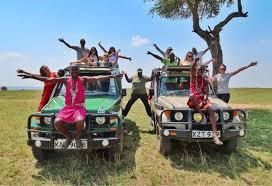
Most first-time safari guests are told they cannot go wrong with either. This is largely true and largely unhelpful. Kenya and Tanzania are different in ways that matter — in the feel of the landscape, the structure of the reserves, the activities available, the logistics involved and the typical lodge experience. Here is an honest comparison based on years of sending guests to both.
Nov 2024

DESTINATION
October 2024
13 min
Both countries offer mountain gorilla trekking with fully habituated gorilla families. The cost difference is significant ($1,500 per person in Rwanda vs $700 in Uganda). The experience is not identical — the terrain, the surrounding landscape, the cultural context and what you can add to the gorilla day all differ in ways that are worth understanding before booking. Here is what we actually think, without the diplomatic non-answer most operators give.
Oct 2024

INSIGHT
September 2024
7 min
A good guide knows the animals. A great guide knows the ecosystem — the plants, the insects, the geology, the weather systems, the human communities that have lived alongside the wildlife for generations. The difference between the two is the difference between a pleasant game drive and a day that changes how you think about the natural world. Here is what we look for when we recommend a guide.
Feb 2025

SEASONAL GUIDE
November 2024
9 min
The long rains in Kenya and Tanzania (April–May) are the window most safari companies quietly discourage. Some lodges close. The tracks can be difficult. Wildlife sightings require more patience. In exchange, you get a landscape that most guests have never seen — lush, vivid, alive — at a fraction of the cost and with far fewer vehicles in the field. For the right guest, it is the best time to go.
AUG 2024

The Purpose day
Jult 2024
8 min
The voluntourism industry has a well-documented problem: most of it benefits the guests more than the communities it claims to serve. One-off visits, staged interactions, the “poverty tour” dynamic — these are real failures that have made thoughtful travellers rightly suspicious of anything branded as community engagement. Here is what we learned from designing around those failures.
July 2024

INSIGHT
Jun 2024
6 min
A good guide knows the animals. A great guide knows the ecosystem — the plants, the insects, the geology, the weather systems, the human communities that have lived alongside the wildlife for generations. The difference between the two is the difference between a pleasant game drive and a day that changes how you think about the natural world. Here is what we look for when we recommend a guide.
JUN 2025
Seasonal Guide
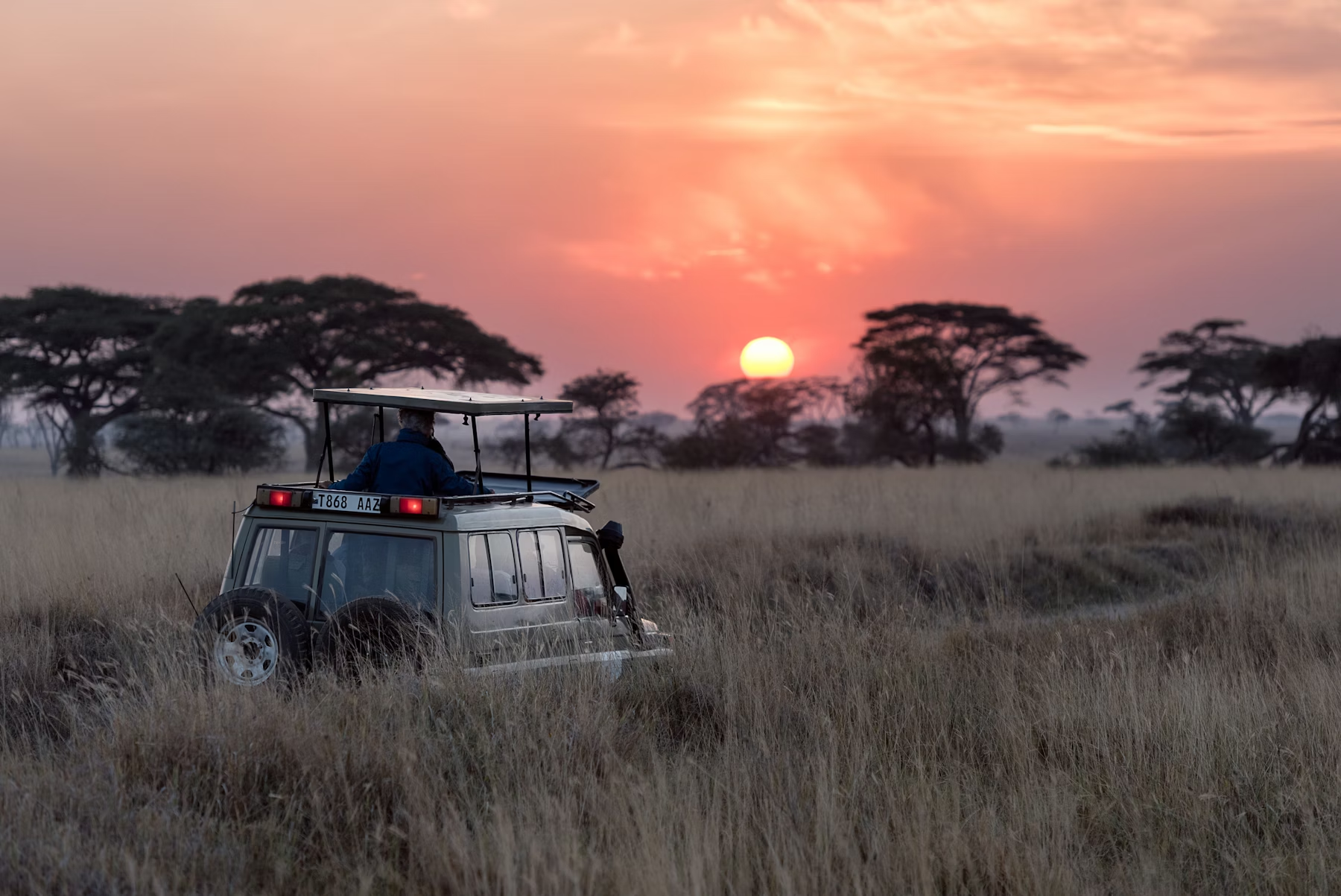
The Great Migration gets all the attention. July through October, the Mara Triangle, the river crossings — every safari company leads with this window. It is extraordinary. It is also not the only time to visit, and for some guests it is not the best time. This guide covers every month across both ecosystems with honesty about what you will actually find — the wildlife, the conditions, the crowds, and the windows that most guides never mention because they are not the ones that fill the most expensive camps.
Seasonal Guide
December 2024
9 min
January and February in the southern Serengeti — when hundreds of thousands of wildebeest give birth across the short-grass plains — is one of the world’s great wildlife spectacles. It is also consistently the least-discussed window in East Africa safari marketing. The reason is simple: it does not photograph as dramatically as a river crossing. The experience, however, is arguably more moving.
Dec 2024
Seasonal Guide
August 2024
9 min
The long rains in Kenya and Tanzania (April–May) are the window most safari companies quietly discourage. Some lodges close. The tracks can be difficult. Wildlife sightings require more patience. In exchange, you get a landscape that most guests have never seen — lush, vivid, alive — at a fraction of the cost and with far fewer vehicles in the field. For the right guest, it is the best time to go.
Aug 2024
Seasonal Guide
The Great Migration gets all the attention. July through October, the Mara Triangle, the river crossings — every safari company leads with this window. It is extraordinary. It is also not the only time to visit, and for some guests it is not the best time. This guide covers every month across both ecosystems with honesty about what you will actually find — the wildlife, the conditions, the crowds, and the windows that most guides never mention because they are not the ones that fill the most expensive camps.
STORY
February 2025
8 min
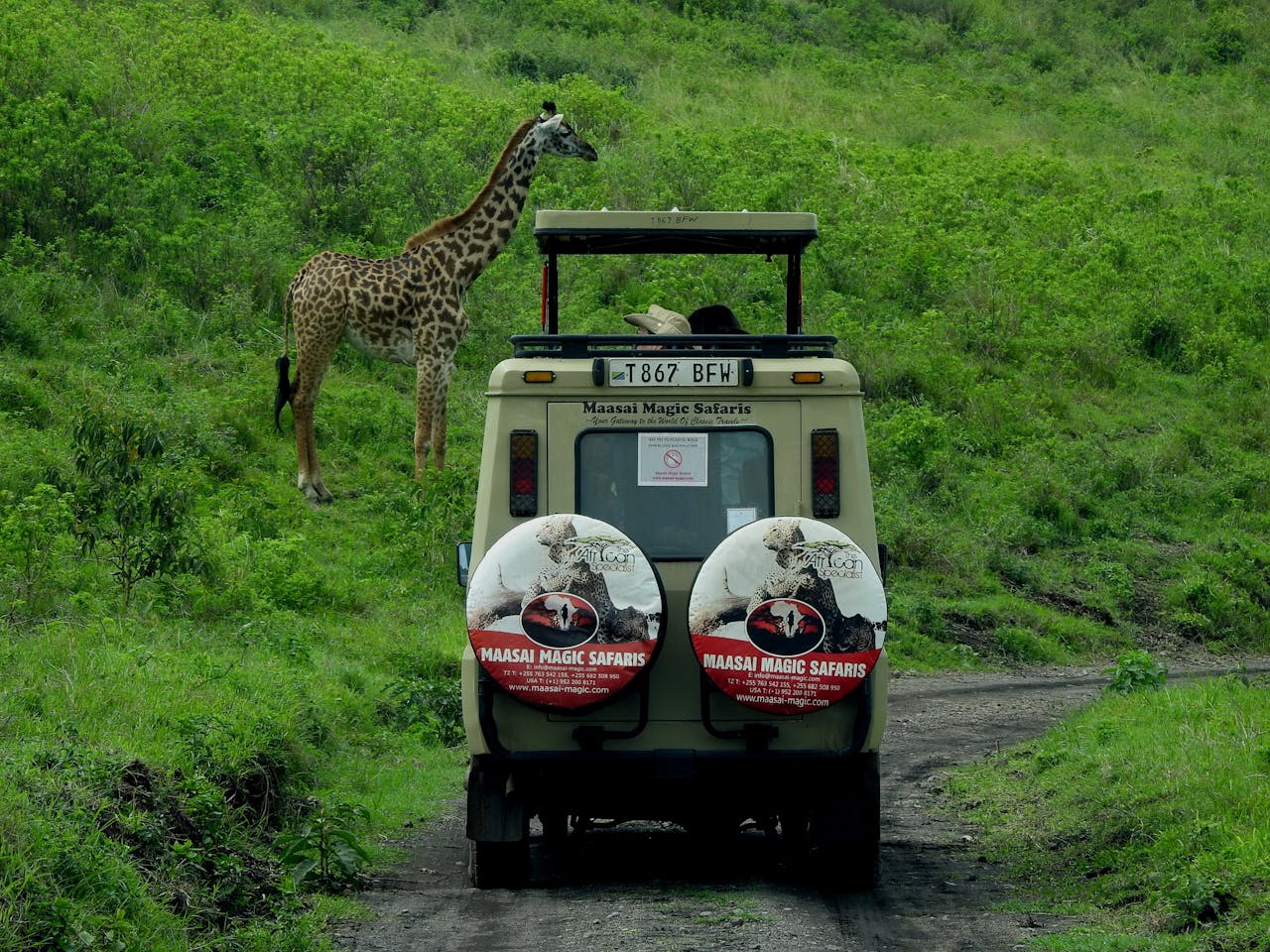
A guest spends the morning at a partner school in the Mara region — running a session on entrepreneurship with a room full of 17-year-olds — and is back in a game drive vehicle by mid-afternoon. What happened in between is harder to describe than a lion sighting. But it is the part of the trip they will still be talking about in five years.
Feb 2025
Seasonal Guide
The Great Migration gets all the attention. July through October, the Mara Triangle, the river crossings — every safari company leads with this window. It is extraordinary. It is also not the only time to visit, and for some guests it is not the best time. This guide covers every month across both ecosystems with honesty about what you will actually find — the wildlife, the conditions, the crowds, and the windows that most guides never mention because they are not the ones that fill the most expensive camps.
Insight
January 2025
10 min
The term “responsible luxury” has been adopted by enough safari operators in the past five years to have become almost meaningless. Here is what we look for when selecting lodges and guides — and what we have learned to be cautious about when the marketing language sounds more impressive than the reality behind it.
jan 2025
Insight
September 2024
7 min
A good guide knows the animals. A great guide knows the ecosystem — the plants, the insects, the geology, the weather systems, the human communities that have lived alongside the wildlife for generations. The difference between the two is the difference between a pleasant game drive and a day that changes how you think about the natural world. Here is what we look for when we recommend a guide.
Sep 2024
INSIGHT
Jun 2024
6 min
Most safari packing guides are written by people who have never been on one, or by lodge marketing teams who want to sell you a duffel bag. This one is written by people who have watched guests arrive wildly over- and under-prepared, and who have a clear view of what actually matters across three weeks in the Mara, the Serengeti and the forests of Rwanda.
jun 2024
Seasonal Guide
The Great Migration gets all the attention. July through October, the Mara Triangle, the river crossings — every safari company leads with this window. It is extraordinary. It is also not the only time to visit, and for some guests it is not the best time. This guide covers every month across both ecosystems with honesty about what you will actually find — the wildlife, the conditions, the crowds, and the windows that most guides never mention because they are not the ones that fill the most expensive camps.
STORY
November 2024
11 min
Most first-time safari guests are told they cannot go wrong with either. This is largely true and largely unhelpful. Kenya and Tanzania are different in ways that matter — in the feel of the landscape, the structure of the reserves, the activities available, the logistics involved and the typical lodge experience. Here is an honest comparison based on years of sending guests to both.
Nov 2024
STORY
October 2024
13 min
Both countries offer mountain gorilla trekking with fully habituated gorilla families. The cost difference is significant ($1,500 per person in Rwanda vs $700 in Uganda). The experience is not identical — the terrain, the surrounding landscape, the cultural context and what you can add to the gorilla day all differ in ways that are worth understanding before booking. Here is what we actually think, without the diplomatic non-answer most operators give.
oCt 2024
Seasonal Guide
The Great Migration gets all the attention. July through October, the Mara Triangle, the river crossings — every safari company leads with this window. It is extraordinary. It is also not the only time to visit, and for some guests it is not the best time. This guide covers every month across both ecosystems with honesty about what you will actually find — the wildlife, the conditions, the crowds, and the windows that most guides never mention because they are not the ones that fill the most expensive camps.
STORY
July 2024
8 min
The voluntourism industry has a well-documented problem: most of it benefits the guests more than the communities it claims to serve. One-off visits, staged interactions, the “poverty tour” dynamic — these are real failures that have made thoughtful travellers rightly suspicious of anything branded as community engagement. Here is what we learned from designing around those failures.
Jul 2025
Field Notes, Delivered
When we publish a new seasonal guide, field story or insight, we send it to the people on this list first. No marketing emails. No booking promotions. Just the writing, when it is ready.
Recent field notes
When to Visit the Maasai Mara and Serengeti: A Month-by-Month Breakdown
Gorilla Trekking in Rwanda vs Uganda: An Honest Comparison
Seasonal Guide · March 2025

The Maasai Mara, Kenya. July–October is the most-visited window; January–February is arguably the most dramatic.
The Great Migration gets all the attention. July through October, the Mara Triangle, the river crossings — every safari company leads with this window. It is extraordinary. It is also not the only time to visit, and for some guests it is not the best time to visit.
This guide covers every month across both the Maasai Mara ecosystem in Kenya and the Serengeti in Tanzania — honestly. Not with the optimistic framing that makes every month sound perfect, but with the kind of information that helps you decide whether your preferred dates are genuinely well-suited to what you want to see.
The window most guests miss is the calving season. January and February, in the southern Serengeti, are among the most moving wildlife experiences in East Africa — and among the least-visited.
The Maasai Mara is one of the few safari destinations that offers excellent wildlife year-round. The key variables are the presence of the wildebeest migration, the weather, the number of vehicles in the reserve, and whether the grass is long (harder to spot predators) or short (easier). Here is an honest breakdown.
Dry and warm. Migration has largely returned to Tanzania. Excellent big cat activity — the grass is short, predators are visible, and visitor numbers are low. Resident wildlife at its most accessible.
Long rains. Some lodges close. Tracks can be difficult after heavy rain. Green and lush — the landscape is beautiful in a way that the dry season is not. Big cat activity remains good; the grass is long, so patience is required. Significantly lower visitor numbers and rates.
Transition month. Short rains ending, migration beginning to move north. Good wildlife, improving conditions, increasing visitors. A solid window that is underrated because it sits between the green season and the peak.
The peak season. Wildebeest river crossings in the Mara Triangle and main Mara from approximately mid-July. August is typically the busiest month — excellent crossings but significant vehicle congestion at some crossing points. October sees the migration beginning to return south. Peak rates; book lodges 12–18 months in advance.
Short rains. The migration has largely departed. Excellent birdlife as migratory species arrive. Visitor numbers drop sharply. Good resident wildlife; some of the most atmospheric weather of the year. A transition month that suits guests who want quality without crowds.
Short rains ending. Christmas and New Year bring a spike in visitor numbers and rates. The landscape is green; resident wildlife is excellent. A solid month if you can avoid the peak holiday window.
The Serengeti does not follow the same pattern as the Mara. The migration moves in a clockwise circuit around the ecosystem — and because the Serengeti is roughly four times the size of the Mara, the migration is present somewhere in the park during almost every month of the year. The key is knowing where it is and positioning yourself accordingly.
The wildebeest calving season takes place in the short-grass plains of the southern Serengeti, typically peaking in late January and February. Hundreds of thousands of calves are born within a few weeks — which means the predator activity during this period is extraordinary. Lions, cheetahs, hyenas and wild dogs are all hunting actively. The drama of a calving event — and the speed at which newborn calves learn to stand and run — is, for many guests, more viscerally affecting than a river crossing.
Visitor numbers in the southern Serengeti during calving season are a fraction of the July–October peak. Rates at lodges that position well for this window are typically 30–40% lower than during the Migration peak. This is the window we recommend most often to guests who have flexibility in their travel dates.
The central and northern Serengeti receive the migration from approximately June, with the herds crossing the Grumeti River in June and the Mara River (at the Kenya border) from approximately July. This is the period most associated with dramatic river crossings. The northern Serengeti and the Kogatende area offer the best crossing opportunities from July onwards.
The logistical challenge during this window is vehicle congestion at known crossing points — a problem that is manageable with an expert guide who knows when to wait and when to move, but that can be frustrating with a less-experienced one.
The short rains bring the migration back south. The central Serengeti sees good wildlife activity; the southern plains are beginning to green up. Visitor numbers are dropping and rates are falling. A December trip — avoiding the Christmas spike — can offer exceptional quality at substantially lower cost than the peak-season equivalent.
If you have flexibility and have not been to East Africa before: consider February in the southern Serengeti for calving season, combined with a Mara component in Kenya at any time of year. You will have an exceptional experience at lower cost, with fewer vehicles, and you will see something that most guests who focus on the river crossings have never witnessed.
If the Great Migration river crossings are specifically what you want, plan for August in the Mara Triangle. Book a lodge 12–18 months in advance and choose a guide with deep, specific knowledge of crossing behaviour. The crossings are not predictable; a guide who knows when and where to wait is the difference between witnessing one and missing them entirely.
If your dates are fixed and fall in the green season (April–May), do not be discouraged. The landscape is extraordinary, the wildlife is excellent, and the camps are quieter than you will ever experience them otherwise. It is not the easiest time for a first safari — but for experienced travellers who want something different, it is one of the best-kept secrets in East Africa travel.
Maasai Mara
Serengeti
Great Migration
Calving season
Kenya
Tanzania
Seasonal guide
Tell us your preferred dates and what you want to see. We’ll give you honest seasonal advice and start
shaping an itinerary around what will actually work for you.
Journeys
Explore