
Kenya · Mara Triangle · 8 Days · July–October
“The real migration — not the marketing version.”
Duration
Countries
Group size
From
$8,000 pp
The Journey
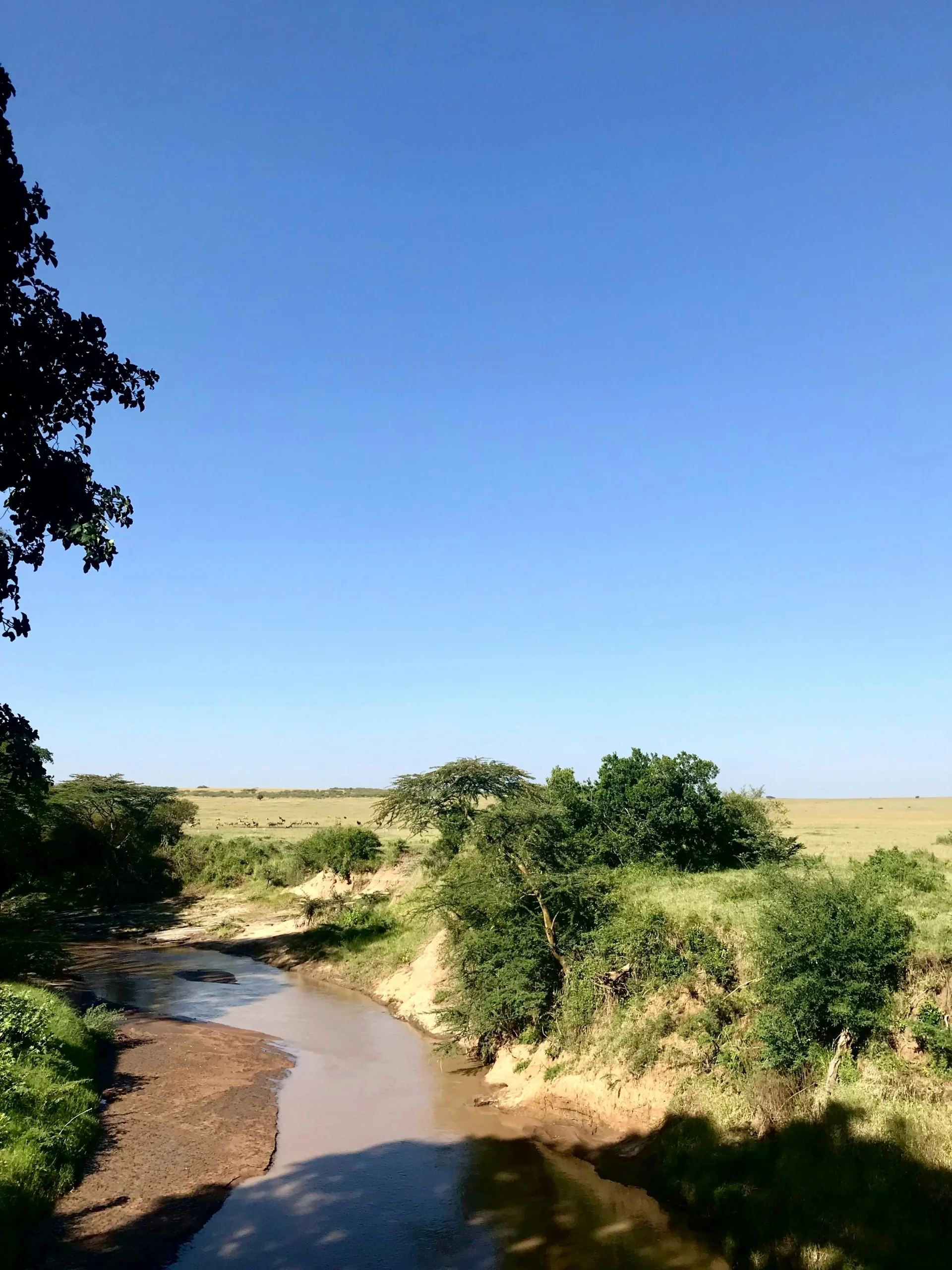
The Great Migration is the world’s largest mammal movement — roughly 1.5 million wildebeest, 400,000 zebra and 200,000 gazelle moving in a circuit through the Serengeti and Maasai Mara ecosystems. The river crossings at the Mara River are the moment most associated with the migration, and they are extraordinary. They are also not predictable: a crossing can happen at 6am or not at all, at one of a dozen possible crossing points, with anything from thirty animals to ten thousand.
The guide is everything on this trip. The difference between someone who has spent five seasons learning how the herds move and where they cross, and someone working from a radio report, is the difference between watching a crossing and missing it. Our guide for the Migration Safari has been in the Mara Triangle specifically for eight consecutive dry seasons. He knows which crossing points to position at on which wind directions. He knows what the herd behaviour in the days before a crossing looks like. He has been wrong, and he knows why.
This is an 8-day trip built specifically for the migration window. It is not for guests who want the Mara in general — there are better itineraries for that. It is for guests who want the crossing, and who understand that getting the crossing means spending serious time at the river with a guide who knows it.
Day by Day
A morning flight from Nairobi Wilson Airport into one of the Mara Triangle airstrips. Your guide meets you at the strip; by midday you are at the river for the first time. Afternoons in the Mara Triangle in peak season are hot — the herds are usually at the river in the early morning and late afternoon. The first afternoon is an orientation: understanding the terrain, the crossing points, how the guide reads the herd behaviour.
The crossing schedule is driven by where the herds are and what the guide reads in their movement. On a typical morning: vehicle to the river before dawn, positioned downwind of the crossing point, engine off, waiting. A crossing can last four minutes or forty-five. The chaos — the crocodiles, the calves losing their mothers, the sheer volume of bodies in the water — is not like anything most guests have experienced. Afternoons are for the resident game: the big cat population in the Triangle is exceptional outside of the migration season; during it, the predator activity is at its annual peak.
A full day with our partner school in the Mara region — the longest-running Purpose Day partnership we have. The school sits between the conservancy land and the Mara community; the headteacher has been here for twelve years. The session is structured around whatever expertise the guest can offer: career conversations for the older students, a practical workshop, or simply a day in the school observing how education works in this specific context. The financial contribution from the booking supports the school year-round; the visit makes it specific.
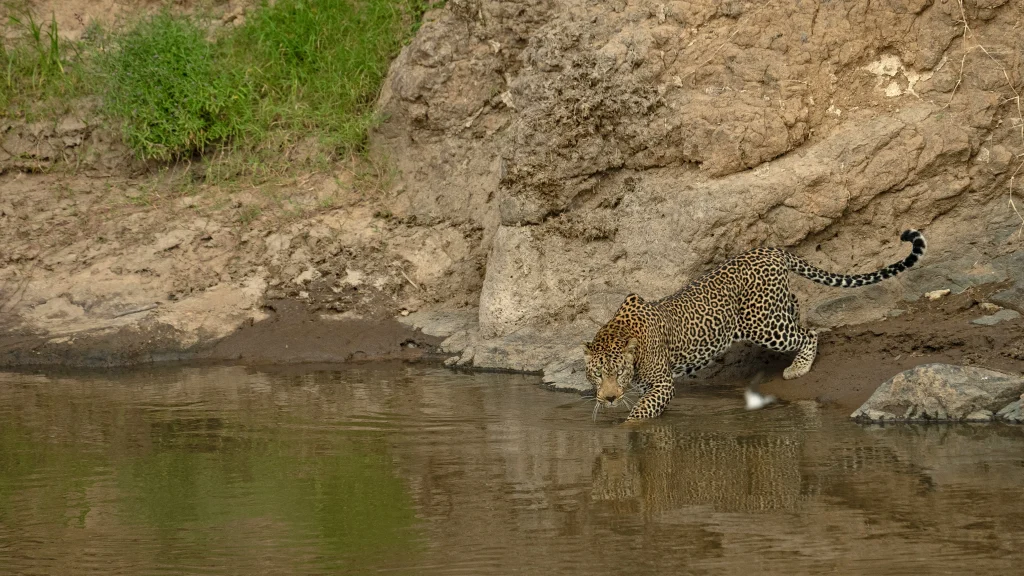
The northern Mara Triangle holds a different crossing pattern to the central river — smaller groups, shorter duration, less visited. Two days focused here: smaller crossings that are often more affecting than the large ones, and access to the cheetah families that hunt the Triangle's open grassland. The leopard activity in the riverine forest is also exceptional in the dry season — your guide knows where to look.
The final two mornings return to the central crossing points. Migration patterns can shift quickly — a morning that was quiet can become the trip's best sighting. The last afternoon is a longer drive back through the Triangle to the camp, a final dinner, and an early morning flight back to Nairobi on day eight.
What’s Included
Included
Not included
Where You Stay

A small camp on the Mara River, positioned specifically for migration season. The camp manager has worked here for six consecutive migration seasons and coordinates closely with our guide on daily positioning. Fewer than fourteen guests at any one time. The management does not allow vehicles to chase or crowd wildlife — which is part of why the guide chooses it.
The Purpose Day
The Purpose Day school in the Mara region is our oldest partnership — established before this trip existed, through a guide who grew up in the area. The school has 340 students, a headteacher who has been in post for twelve years, and a relationship with Purposeful Safaris that has included classroom materials, secondary school scholarships, and seventeen guest visits. On this itinerary, the Purpose Day falls mid-trip — a deliberate choice that gives you enough time in the bush to have found your rhythm before spending a day in an entirely different kind of East Africa.
Who This Journey is For
M.K. · New York · Solo · Kenya · Mara Triangle
Kenya · Mara Triangle
July–October only
2–4 guests, private vehicle

Kenya · Tanzania · 12 days
The classic East Africa combination — for guests who want to add Rwanda as an extension to a longer Kenya and Tanzania itinerary.
Tanzania · Year-round
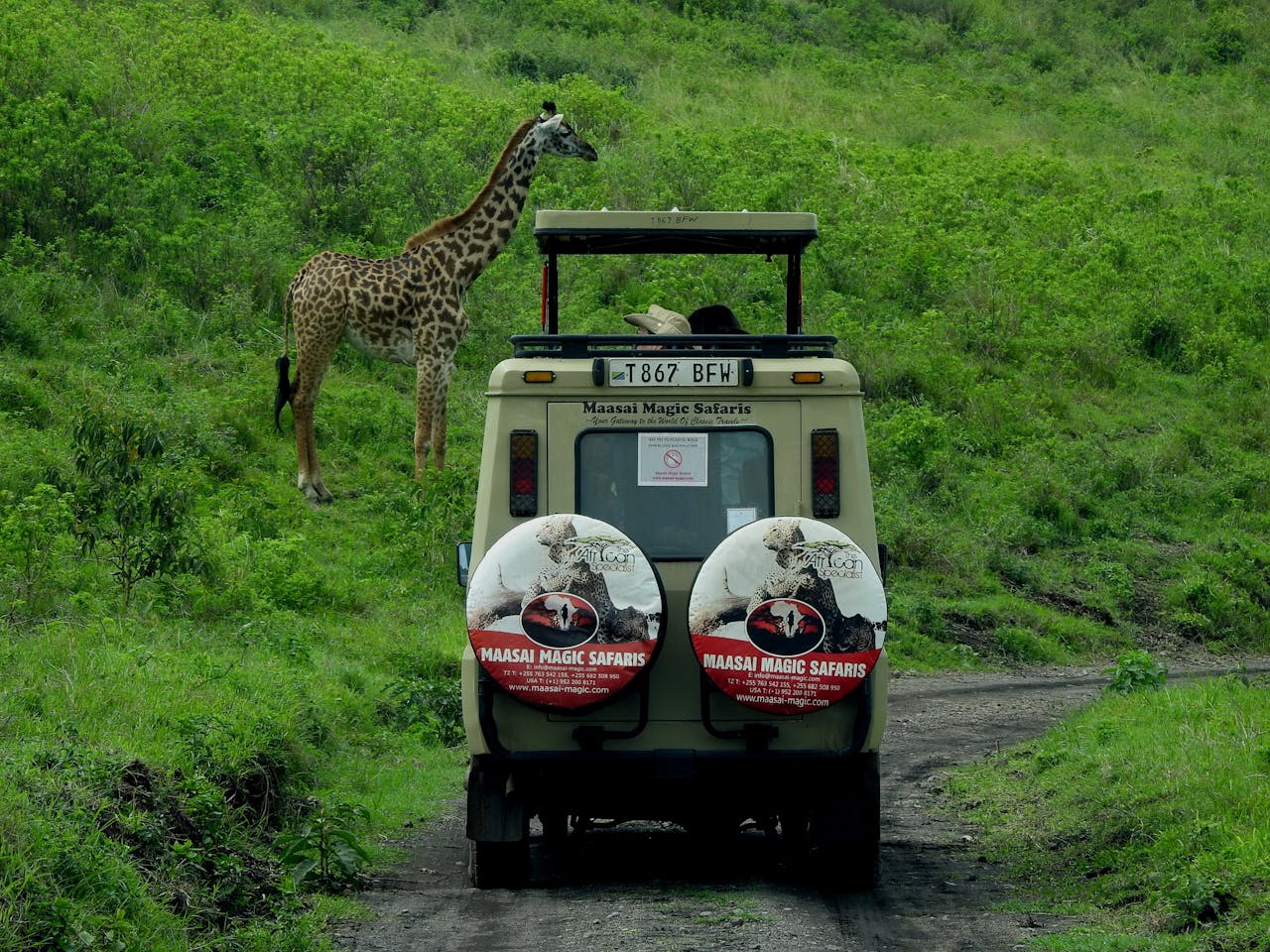
The underrated alternative — January and February in the southern Serengeti. Fewer guests, equal drama, a different kind of wildlife experience.

Kenya · 6 days
For solo guests who want the same six-day format but in Kenya’s Laikipia — walking safaris and space to think instead of gorilla country.
Migration dates and lodge availability in the Triangle books out 12–18 months ahead. Tell us your preferred window and we’ll give you an honest assessment of what’s possible.
Journeys
Explore